
Knee Replacement Recovery in Scottsdale, AZ — Walk the Same Day, Drive in Two Weeks, Golf in Four
★★★★★ 4.8 Google Reviews

Ready to Find Out What Your Knee Replacement Recovery Would Look Like?
8,000+ Procedures
Board-Certified Orthopaedic Surgeon
MAKOplasty® Robotic-Assisted
Same-Day Outpatient Options
Scottsdale, AZ

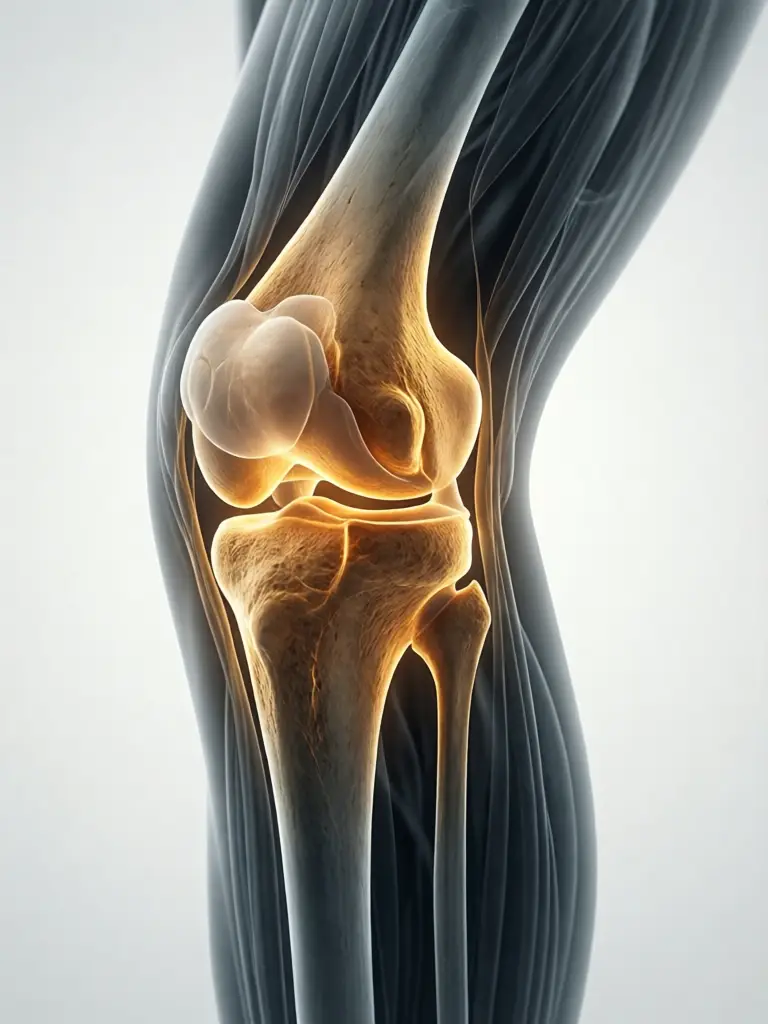
Why Knee Replacement Recovery With Dr. Gough Looks Nothing Like What You've Read Online
The recovery timelines most patients read about are based on traditional knee replacement. Dr. Gough's technique is fundamentally different — and the recovery reflects that.
If you have been researching knee replacement recovery in Scottsdale, you have probably read about months of physical therapy, weeks on a walker, and a long slow return to the activities you love. That is the reality of traditional knee replacement surgery — and it is not the reality of surgery with Dr. Brandon Gough. Traditional knee replacement requires cutting through the quadriceps muscle to access the joint. That muscle damage is the primary reason recovery takes so long — your body has to rebuild the most powerful muscle group in your leg before it can function normally again. Dr. Gough’s approach is different at the foundation. Using the MAKOplasty® robotic system, he performs a muscle-sparing technique that works around the quadriceps entirely — the muscle is never cut, the incision is four to six inches rather than the traditional ten to twelve, and the robotic arm ensures implant placement accurate to a fraction of a millimeter. The result is dramatically less post-operative pain, faster return to walking, and a recovery timeline measured in weeks rather than months. Dr. Gough has performed more than 8,000 hip and knee replacements since 2013 using this approach. The recovery his patients experience is not exceptional — it is the consistent outcome of a technique specifically designed to produce it.
What Knee Replacement Recovery Actually Looks Like With Dr. Gough
Week by week, here is what most of Dr. Gough's knee replacement patients experience — and why it looks so different from traditional surgery recovery.
Day of Surgery — Walking Before You Go Home
Most of Dr. Gough's knee replacement patients are on their feet within hours of surgery. Physical therapy begins the same day. You walk before you leave. For total knee patients, most go home the same day or within 24 hours. For partial knee patients, same-day discharge is the norm. This is possible because the quadriceps muscle — the muscle that allows you to straighten your leg and bear weight — is never cut. It is working from the moment surgery ends.
Week 1 to 2 — Off the Walker, Managing With Tylenol
With traditional knee replacement, patients typically depend on a walker for two to four weeks and manage significant pain requiring narcotic medication. Most of Dr. Gough's patients transition off a walker within the first week. Pain management is typically handled with Tylenol and Celebrex rather than narcotics — because the muscle-sparing technique causes significantly less soft tissue trauma. Most patients begin driving within two weeks once cleared.
Week 3 to 4 — Back to Golf, Hiking, and Daily Life
Most of Dr. Gough's knee replacement patients return to golf, hiking, and recreational activity within three to four weeks of surgery. This milestone typically takes three to six months with traditional surgery. The quad-sparing technique is the entire reason the difference is this dramatic — when the muscle that powers your knee is never damaged, your knee can function far sooner than conventional recovery timelines suggest.
3 to 6 Months — Full Recovery, Built to Last 25 to 30 Years
Full recovery — where the knee feels completely natural and strong — typically occurs between three and six months for total knee patients, and two to four weeks for partial knee patients. Because the MAKOplasty® system places the implant with sub-millimeter accuracy, it wears more evenly and is designed to last 25 to 30 years. The goal is not just a fast recovery — it is a result you never have to repeat.
I went back to work full time within two weeks after surgery. I don't know why I waited so long. My life is pain and limp free now.
Your Knee Replacement Recovery Questions — Answered Directly
These are the questions patients ask most before their consultation. Here are honest, specific answers based on what Dr. Gough's patients actually experience.
How long does knee replacement recovery take with Dr. Gough?
Most of Dr. Gough’s patients follow this timeline. Day of surgery — walking with assistance, home the same day or within 24 hours. Week one to two — off the walker, beginning to drive, managing discomfort with Tylenol rather than narcotics. Week three to four — back to golf, hiking, and light recreational activity for most patients. Three to six months — full recovery where the knee feels completely natural. Partial knee patients often recover faster, with full activity in two to four weeks. This timeline is significantly faster than traditional knee replacement because Dr. Gough’s technique avoids cutting the quadriceps — the primary source of extended recovery time in conventional surgery.
Will I need narcotic pain medication after knee replacement?
Most of Dr. Gough’s knee replacement patients manage post-surgical discomfort with Tylenol and Celebrex rather than narcotic pain medication. The muscle-sparing technique causes significantly less soft tissue trauma than traditional surgery, which directly translates to less post-operative pain. Mild swelling and soreness are normal in the first one to two weeks and are typically managed with ice, over-the-counter medication, and light movement. Most patients are surprised by how manageable the discomfort is compared to what they expected.
When can I drive after knee replacement surgery?
Most of Dr. Gough’s knee replacement patients return to driving within one to two weeks of surgery, once they are off any prescription pain medication and feel comfortable with the movement required. If surgery was on your right knee the timeline may be slightly longer as right-leg driving requires direct knee control. Dr. Gough will provide specific driving clearance at your first follow-up appointment. Partial knee patients typically resume driving sooner than total knee patients.
How is recovery different for partial versus total knee replacement?
Partial knee replacement recovery is faster because the procedure is less invasive — only the damaged compartment of the knee is resurfaced, all healthy tissue is left intact, and the incision is smaller. Most partial knee patients are back to full activity within two to four weeks and describe the knee as feeling more natural afterward because more of the original joint is preserved. Total knee replacement recovery is still significantly faster with Dr. Gough’s muscle-sparing technique than traditional total knee surgery — most patients return to golf and recreational activity within three to four weeks — but full recovery typically takes three to six months. Dr. Gough will confirm which procedure is right for you at your consultation based on your imaging and the extent of damage in your knee.
Will I need formal physical therapy after knee replacement?
Yes — physical therapy is an important part of knee replacement recovery and Dr. Gough’s team will provide a clear plan at discharge. Because the quadriceps muscle is never cut in Dr. Gough’s technique, physical therapy focuses on building strength and restoring range of motion rather than rebuilding a damaged muscle from scratch. Most patients find therapy progresses faster than expected. The combination of the muscle-sparing surgical technique and consistent engagement with physical therapy is what produces the recovery timelines Dr. Gough’s patients consistently report.
How much swelling should I expect during knee replacement recovery?
Some swelling is normal and expected after knee replacement — the knee is a complex joint and the body’s healing response involves fluid accumulation in the early weeks. With Dr. Gough’s muscle-sparing technique, swelling is typically less severe than after traditional surgery because less soft tissue is disturbed. Ice, elevation, and light movement are the most effective ways to manage swelling in the first two to three weeks. Most patients find swelling decreases steadily through weeks two to four, with the knee feeling increasingly normal as recovery progresses.
How is Dr. Gough's knee replacement recovery different from other Scottsdale surgeons?
The primary difference is the quad-sparing technique combined with MAKOplasty® robotic precision. Most knee replacement surgeons in Scottsdale — including those using robotic technology — still cut through or split the quadriceps tendon to access the joint. That muscle damage is the main reason traditional recovery takes months rather than weeks. Dr. Gough’s technique works around the quadriceps entirely, and the robotic system ensures the implant is placed with accuracy that manual surgery cannot reliably achieve. The combination of these two factors — technique and technology — is what produces recovery timelines that consistently surprise patients who previously researched standard knee replacement recovery.
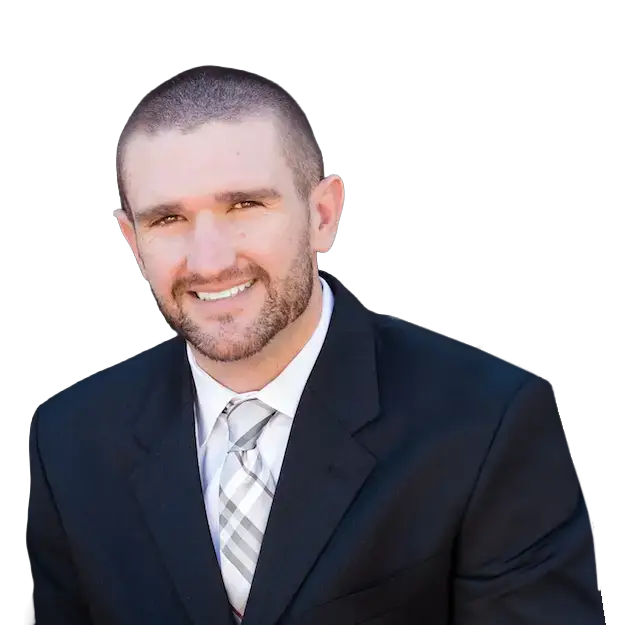
Dr. Brandon Gough, M.D.
Board-Certified Orthopaedic Surgeon · Scottsdale, Arizona
Dr. Brandon Gough is a board-certified orthopaedic surgeon in Scottsdale, Arizona specializing in hip and knee replacement. He has performed more than 8,000 joint replacements since 2013 and is a Stryker-certified MAKOplasty® surgeon.





Ready to Find Out What Your Knee Replacement Recovery Would Look Like?
8,000+
Hip & Knee Procedures
Same Day
Home After Surgery
25-30yr
Year Implant Life
★★★★★ 4.8 Google Reviews
Ready to Schedule Your Consultation?
Complete the form and Dr. Gough’s team will be in touch. We look forward to getting you back on track.
Content on this website is for general informational purposes only and should not be considered medical advice. Each patient’s condition, treatment plan, and results are unique. Patient testimonials reflect individual experiences and are not a guarantee of similar outcomes.