
Knee Replacement in the Biltmore, AZ
★★★★★ 4.8 Google Reviews
Talk to Dr. Gough's Team
- 8,000+ Procedures
- Robotic-Assisted Precision
- Board-Certified Orthopaedic Surgeon
- Same-Day Outpatient Options
- Scottsdale, Arizona


The Biltmore Lifestyle Demands a Knee That Keeps Up
The Biltmore area is one of Phoenix’s most active resort communities. The Arizona Biltmore Golf Club draws residents to the Adobe and Links courses year-round. The Arizona Canal path offers daily walking and cycling east toward Scottsdale and west toward downtown. Piestewa Peak provides the elevation gain for those who want a real workout. And Biltmore Fashion Park puts walkable dining and socializing at the neighborhood’s core. Knee pain disrupts all of it quietly at first. The back nine gets harder. The canal walk gets shorter. Standing at a cocktail party becomes uncomfortable. Stairs at Biltmore Fashion Park become something you think about. By the time most Biltmore patients reach a consultation, they’ve already scaled back their lifestyle more than they realize. Dr. Brandon Gough performs MAKOplasty® robotic-assisted knee replacement — a precision technique that uses a CT scan and 3D surgical plan to treat only what needs treatment. The result: smaller incision, less trauma to surrounding tissue, same-day discharge for most patients, and a recovery that gets Biltmore residents back to their lifestyle faster than traditional surgery.
Signs It May Be Time to Consider Knee Replacement
- Knee pain or stiffness that limits how many holes you can walk at the Biltmore Golf Club before needing to stop
- Pain or swelling on the Arizona Canal path that forces you to cut your walk or ride short
- Knee pain climbing stairs — common in the Biltmore area's mix of resort-style homes and multi-level residences
- Pain standing at social events, dinners, or gallery openings along the Biltmore corridor
- Injections or physical therapy that provided relief for a while but are no longer working

How Dr. Gough's Approach Compares to Traditional Knee Replacement
| Traditional | Dr. Gough | |
|---|---|---|
| Incision | 10–12 inches | 4–6 inches |
| Muscle handling | Cut or detached | Fully preserved |
| Walking | Days after surgery | Same day |
| Recovery | 6–12 weeks | Weeks, not months |
| Restrictions | Long post-op list | None |
| Hospital stay | 2–4 days | Same day / 24 hrs |
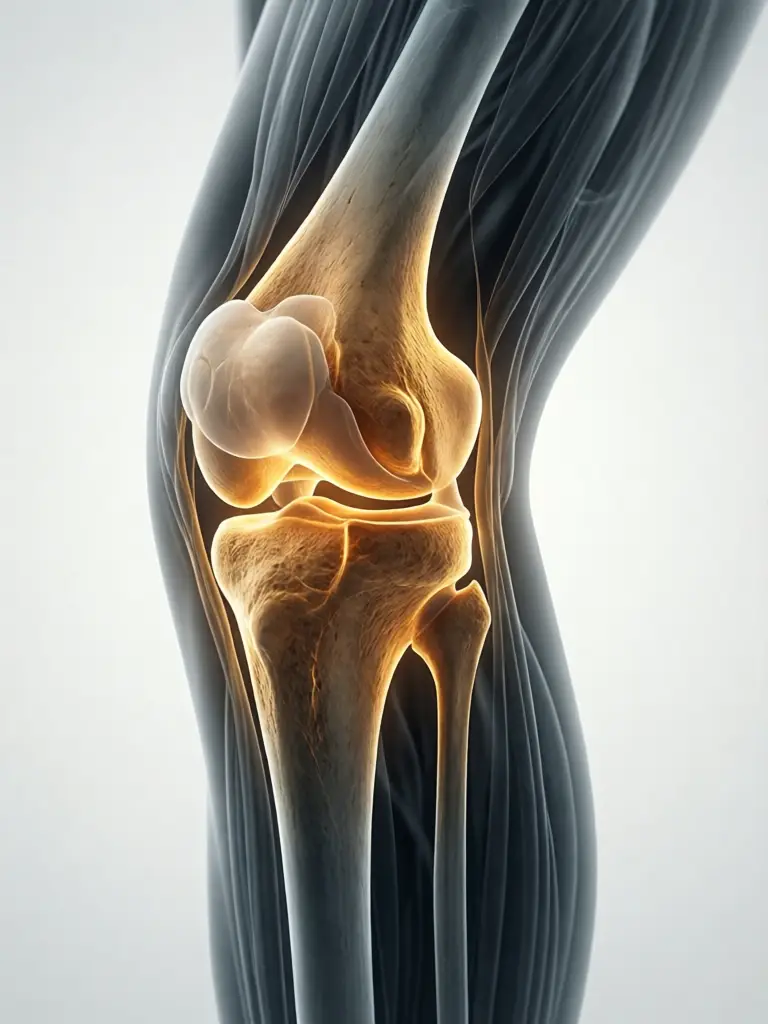
MAKOplasty® Robotic Precision — Why It Matters for Biltmore Patients
Dr. Gough uses the MAKOplasty® robotic system for both partial and total knee replacement. Before surgery, a CT scan of your knee is used to build a precise 3D digital model. Dr. Gough uses this model to plan the exact position of the implant, the amount of bone to be removed, and how the new joint will move with your specific anatomy. During surgery, the Mako robotic arm guides every movement with a level of accuracy that is not possible by hand alone. Only the damaged area is treated. Surrounding healthy tissue — ligaments, tendons, cartilage — is preserved wherever possible. For Biltmore patients who have damage confined to one compartment of the knee, partial knee replacement may be appropriate — treating only the affected area, preserving the rest, and delivering a more natural-feeling result with a faster recovery. For patients with advanced damage throughout the joint, total knee replacement replaces all three compartments. Dr. Gough also performs complex revision knee replacement for patients whose previous replacement is causing pain, instability, or reduced function.
What Recovery Looks Like for Biltmore Patients
Most partial knee replacement patients go home the same day as surgery and achieve full recovery in two to four weeks — returning to walking the canal path and light recreational activities on a timeline that surprises them. Total knee replacement patients typically go home the same day or within 24 hours, begin physical therapy within days, and return to light activities like golf within three to four weeks. By weeks four to eight, most patients have returned to full activity — including the Biltmore Golf Club, Piestewa Peak, and the canal path at full pace. Revision knee replacement recovery is longer — typically one to two days post-procedure, followed by a structured physical therapy program over three months, with continued improvement through the first year or two.

I was back on the Links Course about a month after surgery. My knee felt more stable than it had in years. I only wish I had done it sooner instead of putting up with the pain for so long.
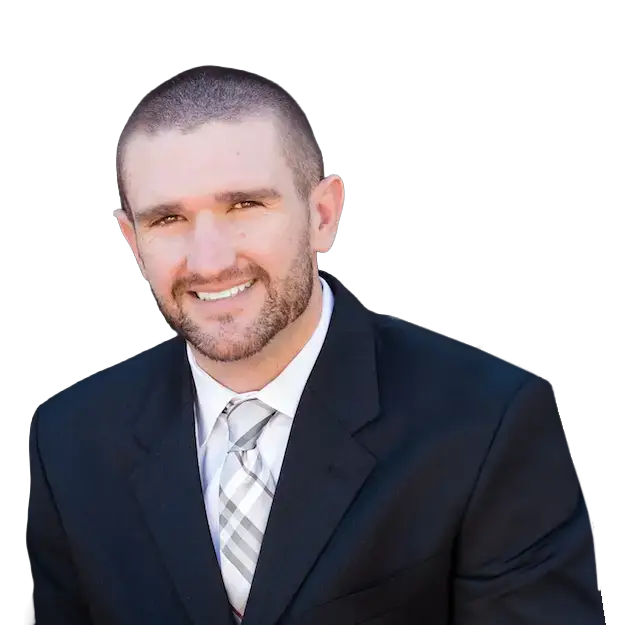
Meet Dr. Brandon Gough, M.D.
Dr. Brandon Gough is a board-certified orthopaedic surgeon and a leader in minimally invasive and robotic-assisted hip and knee replacement.
Dr. Brandon Gough is a board-certified orthopaedic surgeon based in Scottsdale, Arizona. He specializes in hip and knee reconstruction and has performed over 8,000 procedures since 2013.
He is one of a select group of surgeons in the country trained in the Direct Superior approach to hip replacement — a technique that eliminates post-surgery restrictions and dramatically reduces recovery time. He is also a past consultant and educator for Stryker Orthopaedics, training surgeons from around the world in minimally invasive joint replacement techniques.
Beyond the operating room, Dr. Gough volunteers with Magis Clinic, Madonna School, Habitat for Humanity, and Sienna St. Francis Clinic. He believes that exceptional surgical care and genuine compassion go hand in hand.
- American Board of Orthopaedic Surgeons (ABOS)
- American Medical Association (AMA)
- American Academy of Orthopaedic Surgeons (AAOS)
- American College of Physicians (ACP)



Knee Replacement Questions from Biltmore Patients
Will I be able to play golf at the Biltmore Golf Club again after knee replacement?
Most of Dr. Gough’s total knee replacement patients return to golf in as few as three weeks. The muscle-sparing, quad-preserving technique means the muscles that stabilize your swing are intact from day one — not being rebuilt after being cut. Partial knee replacement patients often return even sooner. Dr. Gough will provide a specific activity timeline at your consultation based on your procedure and recovery progress.
Can I return to walking the Arizona Canal path after knee replacement?
Yes. Most total knee replacement patients return to walking the flat, paved Arizona Canal path within three to four weeks of surgery. Partial knee replacement patients often return sooner. The canal path’s even surface makes it an ideal early recovery activity, and many of Dr. Gough’s Biltmore patients use it as their primary post-surgical rehab walk before graduating to longer routes.
What's the difference between partial and total knee replacement?
Partial knee replacement resurfaces only the damaged compartment of the knee — leaving healthy bone, cartilage, and ligaments intact. It requires a smaller incision, causes less trauma, and delivers a faster recovery with a more natural feel for patients whose damage is limited to one area. Total knee replacement resurfaces all three compartments and is appropriate when damage is widespread throughout the joint. Dr. Gough will review your imaging at your consultation to determine which approach is right for you.
How long will my knee replacement last?
Modern knee implants are designed to last 25 to 30 years or more with normal activity. The robotic precision of MAKOplasty® ensures optimal implant alignment — one of the strongest predictors of long-term implant performance. For active Biltmore patients who plan to stay on the course and the canal path for decades, this longevity is especially important.
Ready to Get Back to Everything the Biltmore Has to Offer?
Call 602-359-3088 or complete the form to schedule your consultation. Dr. Gough’s team will verify your insurance before your visit, review your imaging, and give you a clear recommendation on which procedure is right for you — and what your recovery would realistically look like.
Talk to Dr. Gough's Team
Content on this website is for general informational purposes only and should not be considered medical advice. Each patient’s condition, treatment plan, and results are unique. Patient testimonials reflect individual experiences and are not a guarantee of similar outcomes.